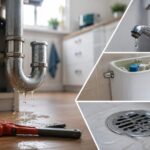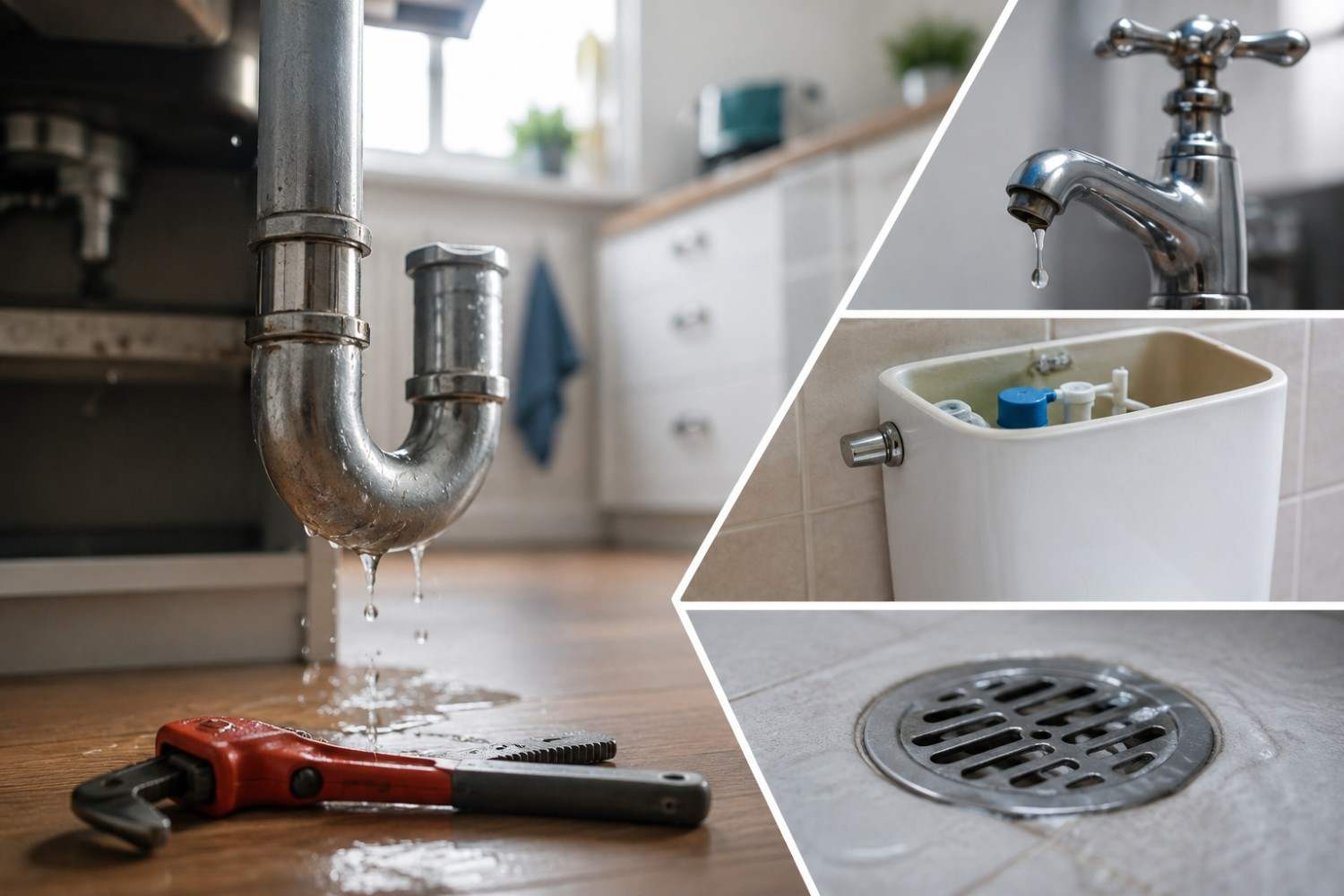
Quick answer: The most common plumbing problems in Nepal include dripping taps, lack of water pressure, overflowing toilets, clogged drains, pipe leaks, geyser issues, and overfilling water tanks. All minor plumbing issues usually have simple reasons such as a damaged washer or a dirty filter. Most of them can be easily fixed by using some simple tools. However, in case of any hidden leaks, sewage back-ups, repeated blockages, or electrical/gas issues, consult a plumber.
Introduction
Plumbing issues always happen at the most inconvenient times. A dripping tap occurs during nighttime. The shower heads give low pressure right before going to work. The toilet continues to run, and by morning the water tank is empty.
However, these plumbing problems mostly begin small and can be easily fixed. Nevertheless, there are certain issues that will worsen quickly if ignored or fixed improperly.
In this guide, we will consider the most common plumbing problems in Nepal. In this case, for each problem, you will find its symptoms, causes, a safe way to solve it and when you need to stop and call an expert.
This article is a troubleshooting guide. If you want help finding a plumber, see our post on plumbing services in Kathmandu instead.
Why Plumbing Problems Are Common in Nepali Homes?
Many homes in Nepal share a few features that affect plumbing. Knowing them helps you understand why plumbing problems happen.
- Rooftop water tanks: Most houses have tanks where water is stored, and gravity or pumps are used for its supply. Floats, valves, and pumps are prone to failure.
- Mixed pipe types: Old houses could have pipes made of metals, which would be subject to corrosion. Modern homes usually have plastic pipes. Leaks could occur at the joints.
- Water quality: In some regions, minerals or sediment in the water can accumulate within pipes, taps, and heaters.
- Heavy seasonal rain: Monsoon rains can force soil particles and other debris into the drainage system and overload it.
- Irregular supply: When water flows at specified times, the faucets or valves could remain open due to an error. This could result in overflows once the water flows back again.
These are general trends but not absolute. Each house is unique. The best way to go about it is to examine your own system.
Before You Start: Basic Safety and a Simple Toolkit
Some plumbing issues are very easy to solve at home. However, some require the expertise of a professional plumber. Before embarking on any repair job, observe the following safety guidelines.
Basic Plumbing Safety Tips
- Know where your main water shut-off valve is: Locate it before any plumbing crisis arises. Turn off the valve if there is a burst pipe or water leakage at home.
- Turn off the power when needed: Turn off the electricity source for the electric geyser or water pump before handling it. Always avoid handling any electrical device with wet hands.
- Never mix drain-cleaning chemicals: Combining products produces dangerous fumes. Use the product according to the instructions provided and do not use a plunger immediately after cleaning the drain chemically since there is danger of splashing.
- Wear protective gloves: You should wear gloves when working with drains, wastewater, or plumbing components which might be covered with dirt and germs.
- Use the right tools for the job: Always have simple equipment like adjustable wrenches, plungers, buckets, and flashlights within reach. Never try to force a fitting or pipe that won’t budge.
- Know when to call a plumber: Stop if you don’t know how to correct the issue. Issues like burst pipes, leaks, clogging, and anything that involves electricity or pressure might require professional assistance. A simple mistake could cause expensive damage.
A simple toolkit for the home
- Adjustable wrench
- Pipe tape (also called Teflon or PTFE tape)
- Plunger (one for sinks, one for toilets)
- Bucket and old towels
- Screwdriver set
- Replacement washers and a spare tap cartridge
- Torch or phone light
This small kit will handle most of the minor fixes below.
11 Common Plumbing Problems in Nepal and How to Fix Them
1. Dripping or Leaking Taps
Signs: Water is dripping from the spout despite the tap being closed. Alternatively, water may leak from around the handle.
Common causes:
- Worn-out rubber washer/O-ring
- Faulty tap cartridge
- Mineral deposits around the seat
- Loose handle/nut
Safe fix:
- Close the water supply to the tap using the small valve under the sink, or the main valve.
- Open the tap to drain out the remaining water.
- Remove the handle and cover using a screwdriver.
- Use a wrench to remove the internal part of the tap.
- Check the washer or O-ring; replace it if it appears hard, flat, or cracked.
- Put the tap together, turn on the water supply slowly and check.
A small drop of water may appear insignificant. However, it will waste water both during the day and at night. It could even stain your sink.
Call a plumber if: The drip continues after you replace the washer. The tap body may be worn. Also call one if the tap is stuck, or the pipe in the wall is leaking.
2. Low Water Pressure
Signs: The shower trickles. The tap runs slowly. A washing machine fills slowly.
Common causes:
- A blocked aerator on the tap
- A clogged showerhead
- A partly closed valve
- A dirty tank outlet or filter
- A weak pump
- A hidden leak that lets water escape
Safe fix:
- Check if the problem is in one place or many. If only one tap is weak, the cause is likely local. If every tap is weak, the cause is likely in the tank, pump, or main line.
- Clean the aerator. Unscrew the small cap on the tap spout. Rinse the mesh. Soak it in vinegar and water if it has scale.
- Clean the showerhead. Soak it in a bowl of vinegar and water for a few hours. Then rinse it.
- Check the valves. Make sure the main valve and the tap valves are fully open.
- Check the tank. A very low water level lowers pressure. Sediment at the bottom can also block the outlet.
Call a plumber if: All taps are weak after these checks. A pump problem, a pipe blockage, or a hidden leak may be the cause.
3. Running or Leaking Toilet
Signs: You hear water trickling after you flush. The tank keeps refilling. Water leaks around the base.
Common causes:
- A worn flapper (the rubber seal in the tank)
- A float set too high
- A faulty fill valve
- A cracked tank or loose bolts
- A worn wax ring at the base (for leaks on the floor)
Safe fix:
- Remove the tank lid and look inside.
- Check the flapper. If it is soft, warped, or does not seal, replace it.
- Check the float. If water rises over the overflow tube, lower the float.
- Add a few drops of food coloring to the tank. If the color shows in the bowl without a flush, the flapper is leaking.
- Tighten loose tank bolts gently. Do not force them. Porcelain can crack.
A running toilet can waste a large amount of water over a day. It is one of the easiest problems to fix.
Call a plumber if: Water leaks from the base of the toilet. This often means a failed seal. Fixing it means lifting the toilet, which is best left to a professional.
4. Slow Drains and Clogged Sinks
Signs: Water drains slowly. You hear gurgling. Water rises in the sink or shower.
Common causes:
- Hair and soap in bathroom drains
- Grease and food in kitchen drains
- Small objects that fall in
- A blocked trap under the sink
Safe fix:
- Remove visible debris from the drain cover.
- Pour hot (not boiling) water down the drain.
- Use a plunger. Cover the overflow hole with a wet cloth. Push and pull firmly for about 20 seconds.
- If that fails, place a bucket under the sink. Unscrew the U-shaped trap and clean it out.
- Put it back and test with running water.
For kitchen sinks, avoid pouring cooking oil down the drain. It hardens and builds up in the pipe.
Call a plumber if several drains are slow at the same time. This points to a deeper block in the main line. Also call one if the problem keeps returning. Our post on drain cleaning in Kathmandu explains why.
5. Blocked Toilet
Signs: The bowl fills and does not drain after you flush. Water may rise to the rim.
Common causes:
- Too much toilet paper
- Items that should not be flushed, such as wipes, sanitary products, or cotton
- A blockage further down the line
Safe fix:
- Do not flush again. This can cause an overflow.
- Use a toilet plunger. Make sure the cup covers the drain hole fully.
- Push down gently first, then pull up with force. Repeat several times.
- If water drains, flush once to test.
Call a plumber if: The plunger does not work after several tries. Also call one if more than one toilet is blocked, or if you see sewage coming up in other drains.
6. Leaking Pipes and Joints
Signs: Wet patches. Drips under the sink. Rust or green stains on pipes. A damp smell. A higher water bill.
Common causes:
- Loose or worn joints
- Corrosion in older metal pipes
- Cracks from movement or pressure
- Poor installation
Safe fix for a small, visible leak at a joint:
- Turn off the water supply to that pipe.
- Dry the area fully.
- Tighten the joint gently with a wrench.
- If the joint is threaded, unscrew it, wrap pipe tape around the thread, and refit it.
- Turn the water back on slowly and watch for drips.
For a temporary fix on a small pipe crack, a pipe repair clamp or repair tape can slow the leak until a plumber arrives. These are short-term fixes only.
Call a plumber if: The pipe is cracked, corroded, or inside a wall. Do not wait. A small pipe leak can turn into a burst pipe.
7. Hidden Leaks and Damp Walls
Signs: Damp patches on walls or ceilings. Peeling paint. A musty smell. Mold. A water meter that moves when no water is in use.
Common causes:
- A leaking pipe inside a wall or floor
- A failed bathroom waterproof layer
- Cracks around bathroom fittings
- Water seeping from a floor above
What you can safely do:
- Do a simple meter test. Close every tap and appliance. Read your water meter. Wait one hour, then read it again. If the number changed, a hidden leak may exist.
- Look for the pattern of the damp patch. Note where it is and when it gets worse.
- Check the sealant around the bath, shower, and basin.
Hidden leaks are not a DIY job. Opening walls or floors without a plan can make the damage worse.
Call a plumber if you see any sign of a hidden leak. Our article on why bathroom leaks keep coming back explains common causes. If the problem is the waterproof layer, see our waterproofing cost guide.
8. Geyser (Water Heater) Problems
Signs: No hot water. Water that is not hot enough. Water that is too hot. Leaks from the heater. Strange noises. Rusty or cloudy hot water.
Common causes:
- A faulty thermostat or heating element
- Scale buildup inside the tank
- A tripped switch or fuse
- A leaking tank or loose fittings
- A faulty pressure valve
What you can safely do:
- Check the power first. Look at the switch, plug, and fuse. Reset a tripped fuse once.
- Check the thermostat setting. Make sure it was not changed.
- Check for visible leaks around the pipes and base.
Safety warning: Always switch off and unplug the geyser before you inspect it. Do not open electrical parts yourself. Do not touch a leaking geyser with wet hands. Water and electricity are a dangerous mix.
Call a plumber or electrician if: The heater leaks, makes loud noises, trips the power repeatedly, or gives off a burning smell. Do not use a geyser that you think is unsafe.
9. Water Tank Overflow
Signs: Water runs over the top of the tank when the supply returns. The roof or wall stays wet. The pump keeps running.
Common causes:
- A stuck or broken float valve
- A float set too high
- A blocked overflow pipe
- A pump that does not stop at the right level
Safe fix:
- Check the float valve inside the tank. Make sure the arm moves freely.
- Lower the float so it shuts the water off before the tank is full.
- Clear any blockage in the overflow pipe.
- If the float is cracked or the valve leaks, replace it.
Overflow wastes water. It can also damage walls, ceilings, and paint, which may lead to dampness.
Call a plumber if: The valve keeps failing, or the pump will not shut off. An automatic level controller may be a better option.
10. Bad Smells from Drains
Signs: A rotten-egg or sewer smell from a sink, shower, or floor drain.
Common causes:
- A dry trap. Water in the U-bend normally blocks smells. If a drain is not used for a long time, the water dries up.
- Food or hair rotting inside the drain
- A blocked or poorly vented drain line
- A cracked sewer pipe
Safe fix:
- Run water down any drain that is rarely used. This refills the trap.
- Clean the drain cover and the inside edge.
- Flush the drain with hot water. Then use a mix of baking soda and vinegar. Let it sit, then rinse with hot water.
- Clean the sink trap if you can reach it.
Call a plumber if: The smell stays after these steps. A sewer line or vent problem may be the cause. This can also be a health risk.
11. Noisy or Banging Pipes
Signs: You hear a bang when you shut off a tap. Pipes squeal when water runs. Something rattles inside the walls.
Common causes:
- High water pressure
- Improperly secured pipes
- Trapped air in the pipes
- Faulty valves
Safe fix:
- Open all the taps in the house for a few minutes so that the trapped air will be able to escape. Then shut them down gradually.
- Inspect any visible pipes. If a pipe is loose, secure it with a clip or a bracket.
- Learn to shut the taps down gradually. Sudden shutting causes shocks to the pipes.
Call a plumber if: The banging is loud, never stops, or seems to come from inside the walls. That usually means a pressure problem or a damaged fitting, and both need proper testing.
Quick Reference: Common Plumbing Problems, Likely Cause, and First Step
| Problem | Likely cause | First safe step | Call a plumber if |
| Dripping tap | Worn washer or O-ring | Replace the washer | The drip continues |
| Low water pressure | Blocked aerator or tank filter | Clean the aerator, check valves | All taps are weak |
| Running toilet | Worn flapper or high float | Replace the flapper, lower the float | The base of the toilet leaks |
| Slow drain | Hair, grease, or debris | Plunge, clean the trap | Many drains are slow |
| Blocked toilet | Too much paper or wipes | Use a toilet plunger | The plunger fails |
| Leaking pipe | Loose joint or corrosion | Shut off water, tighten the joint | The pipe is cracked or inside a wall |
| Hidden leak | Pipe or waterproofing failure | Do a meter test | You see any sign of a hidden leak |
| Geyser fault | Thermostat or scale | Check power and settings | It leaks, makes noise, or smells burnt |
| Tank overflow | Stuck float valve | Adjust or replace the float | The valve keeps failing |
| Drain smell | Dry trap or buildup | Run water, clean the drain | The smell stays |
| Noisy pipes | Pressure or loose brackets | Secure the pipes, release air | The noise is loud or in the walls |
DIY or Professional? How to Decide
Not every plumbing problem needs a professional. Some minor issues are easy to fix at home, while others can cause more damage if handled incorrectly. Knowing when to try a repair and when to call a plumber can save you time and money.
When Can You Fix It Yourself?
You can try a basic repair if:
- The problem is small and easy to identify.
- You can turn off the water supply safely.
- The repair only needs basic tools or a simple replacement part.
- The work does not involve electrical wiring, gas, or complex plumbing systems.
For example, you may be able to clean a faucet aerator or use a plunger to clear a minor drain blockage.
When Should You Call a Professional?
It is best to contact a plumber if:
- Water is leaking from inside a wall, ceiling, or floor.
- Sewage is backing up into your home.
- The same problem keeps returning after a repair.
- You notice water near electrical wiring or equipment.
- You cannot identify the source of the problem.
- The repair requires cutting, welding, or replacing pipes.
If you smell gas or notice a burning smell near electrical equipment, do not attempt to fix the problem yourself. Leave the affected area if necessary and contact the appropriate emergency service or qualified professional.
Getting help early can prevent a minor plumbing issues from turning into a major repair. A leaking pipe, for example, can damage walls, floors, and ceilings if left unattended.
If your home needs professional plumbing work, visit our plumbing services page or contact Reshape Home to discuss your requirements.
Common Plumbing Mistakes to Avoid
A small mistake can turn a minor plumbing issue into an expensive repair. Knowing what to avoid can help you keep your pipes and fixtures in good condition.
- Over-tightening fittings: Tightening a fitting too much can damage pipe threads or crack taps and porcelain fixtures. Tighten connections carefully and avoid using excessive force.
- Using chemical drain cleaners too often: Strong drain cleaners can damage some types of pipes and may cause burns or harmful fumes. Follow the product instructions and never mix different cleaning products.
- Ignoring small leaks: A dripping tap or leaking pipe may not seem like a serious problem at first. However, it can waste water and damage walls, floors, and cabinets if left unattended.
- Flushing items that do not belong in the toilet: Wipes, cotton buds, and sanitary products can block toilets and drainage pipes. Put these items in a bin instead of flushing them.
- Fixing the symptom instead of the cause: If a drain keeps getting blocked or a leak returns after a repair, there may be an underlying plumbing problem. Find out what is causing it rather than relying on repeated temporary fixes.
- Repairing an electric geyser without switching off the power: Working on an electric geyser while the power is on can cause electric shock. Switch off the power at the appropriate breaker before any inspection, and leave electrical repairs to a qualified technician.
Conclusion
Common plumbing problems in Nepal can be a hassle, but many are easier to deal with when you catch them early. A dripping tap, a weak shower, or a running toilet may only need a simple fix. However, it is important to know when a repair is beyond your skills.
Do not ignore hidden leaks, sewage backups, or blockages that keep coming back. These problems can cause serious damage if left untreated. Issues involving gas or electricity also need help from a qualified professional.
Keep a few basic tools at home, learn where your main water shut-off valve is, and fix minor problems before they get worse.
If you need help with plumbing repairs or maintenance, contact Reshape Home to discuss your needs with our team.
Disclaimer: This guide provides general information for homeowners. Always follow safety precautions and contact a qualified plumber or electrician for complex repairs, hidden leaks, or work involving electrical systems.
Frequently Asked Questions About Common Plumbing Problems
1. What are the most common plumbing problems in Nepal?
Some common plumbing problems in Nepal include dripping taps, poor water pressure, leakage in pipes, blocked drainage, flushing toilets, geysers and overflow of the water tank. The solutions to these problems may help to save water and money in the future.
2. Why is the water pressure in my home low?
Low water pressure can be caused by a clogged tap aerator, a blocked shower head, a partially closed valve, or an issue with the water tank and pump. In the case of one tap having low water pressure, then the obstruction is most likely close to that tap. However, in the case of low water pressure all around the house, then consult a plumber.
3. How can I tell if there is a hidden water leak in my home?
Check for damp spots on walls or ceilings, peeling paint, a musty odor, or an inexplicable hike in your water bill. If you have a water meter in your house, shut off all the taps and water-consuming devices and see if the meter keeps on running. In case it is, there could be a leak. Note that some meters cannot detect tiny leaks, and therefore you may need a professional inspection.
4. Why does my toilet keep running after flushing?
A toilet that keeps running may have a worn seal, a faulty fill valve, or a float that is set too high. These parts control how water enters and leaves the tank. Adjusting or replacing a faulty part may solve the problem. If you are unsure how to do this, ask a plumber to check the toilet.
5. Are chemical drain cleaners safe to use?
Chemical drain cleaners can clear some blockages, but they may damage certain pipes and cause burns or harmful fumes. Never mix different cleaning products, and always follow the label instructions. For a minor blockage, try a plunger first. If the drain remains blocked, a plumber can find the cause and recommend a suitable solution.
6. Can I repair a leaking pipe myself?
You may be able to deal with a minor leak at an accessible connection if you can safely turn off the water and know how to repair. However, cracked pipes, major leaks, and pipes hidden inside walls or floors usually need professional attention. A temporary repair clamp may reduce leakage in some cases, but it should not replace a proper repair.
7. Why does my bathroom or kitchen drain smell bad?
Bad smells often come from food scraps, grease, hair, soap residue, or buildup inside the drain. A dry drain trap can also allow unpleasant smells to enter your home. Clean the drain cover and run water through drains that are not used often. If the smell continues or sewage odours are present, contact a plumber to check for a deeper problem.
8. How often should I check the plumbing in my home?
Check your plumbing every few months for dripping taps, loose connections, damp patches, toilet leaks, and signs of water tank overflow. Also, look under kitchen and bathroom sinks for moisture. Regular checks can help you spot problems before they cause damage. If you notice anything unusual, arrange a repair as soon as possible.
More Services


Recent Posts
-

Common Plumbing Problems in Nepal: Causes, Safe Fixes, and When to Call a Plumber
Oct 18, 2026 | reshapehome
-
Earthquake Resistant House Design in Nepal: The Complete Homeowner’s Guide (2026)
Oct 04, 2026 | reshapehome
-
Waterproofing Cost in Nepal (2026): Price Per Sq Ft Guide
Sep 28, 2026 | reshapehome
-
False Ceiling Price in Nepal: Complete 2026 Cost Guide by Material & Room
Sep 22, 2026 | reshapehome
-
Gypsum Plaster in Nepal: The Complete Guide to Cost, Benefits, and Application
Sep 18, 2026 | reshapehome
-
House Design in Nepal: The Complete 2026 Guide
Aug 14, 2026 | reshapehome
-
Essential Guide: How to Fix Small Cracks in Basement Walls in Nepal
Aug 02, 2026 | reshapehome
-
Glass Price in Nepal 2026: Complete Guide
Jul 17, 2026 | reshapehome