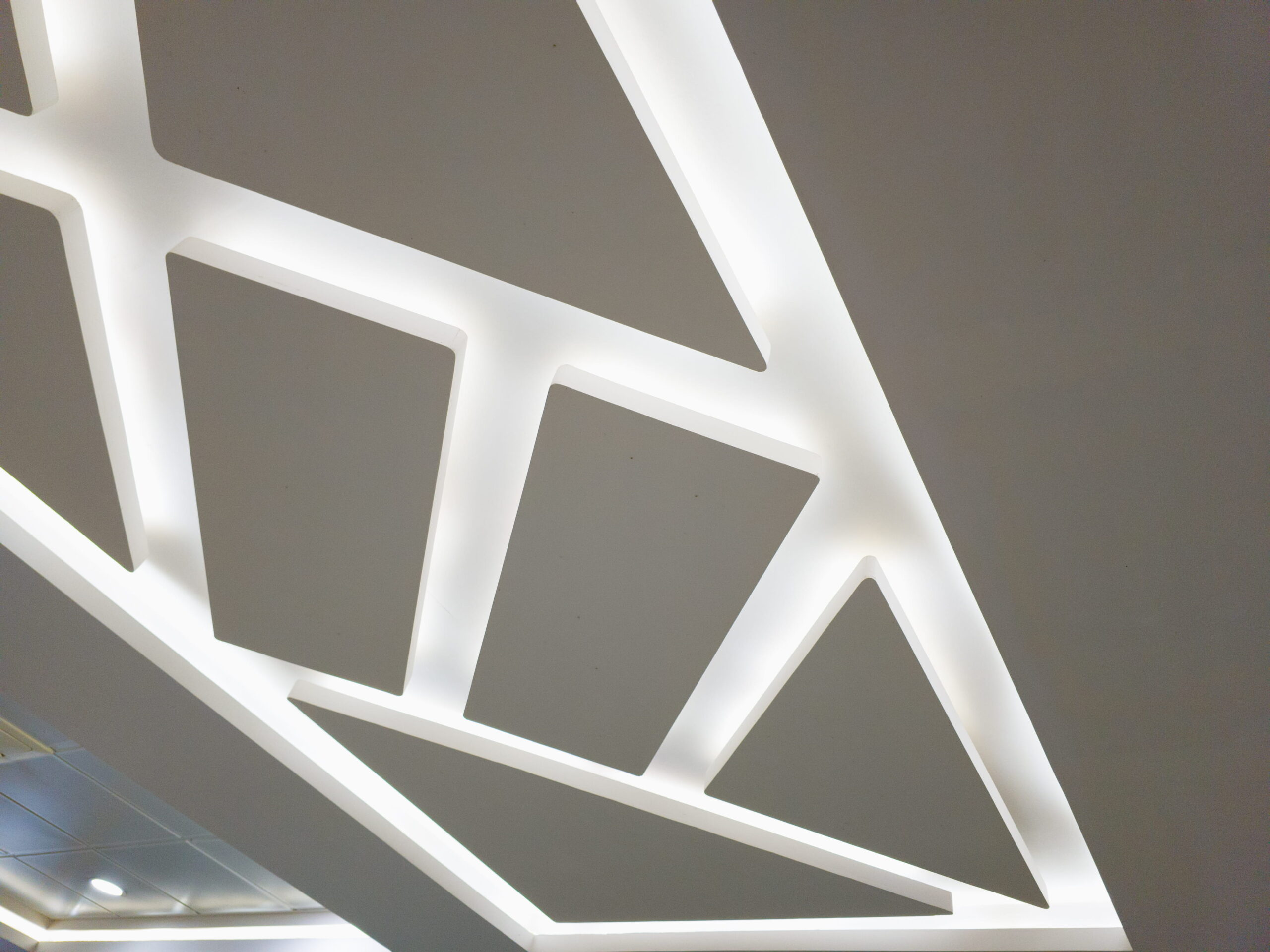
You’ve got three contractors who have quoted you on the false ceiling price in Nepal. You have 3 different numbers. One said Rs. 120 per square foot. Another said Rs. 400. A third said Rs. 800. This is normal. It does not mean anyone is cheating you. It simply means each quote is for a different product, a different design or a different set of services.
This is a guide for the real false ceiling price in Nepal. Rates will be displayed according to material. You’ll see room-by-room cost examples. You will learn what drives prices to rise and fall. By the end, you’ll know how to read any quote and spot what’s missing from it.
False Ceiling Price in Nepal: Quick Answer
Here’s the short answer. The basic cost of gypsum or PVC false ceiling is Rs. 100 to Rs. 250 per square foot in Nepal. If you add curves, extra lighting, or premium material like wood, and the price climbs to Rs. 500 to Rs. 1,200 per square foot. For a standard 180 sq. ft. living room in Kathmandu, expect to pay Rs 30,000 to Rs. 50,000 for a satisfactory gypsum ceiling and simple lights.
This is your initial number. So let’s see what makes your ceiling cheaper or more expensive than this.
Why Homeowners in Nepal Are Adding False Ceilings
False ceilings are no longer just for hotels and offices. Many homeowners in Kathmandu and other cities are adding them to improve their home’s look and comfort. Here are some common reasons.
1. Hiding Electrical Wires
Adding ACs, lights, and other appliances often means installing new wires. A false ceiling hides these cables neatly without cutting into plastered walls.
2. Reducing Heat on Top Floors
Rooms on the top floor become extremely warm in summers. False ceilings create an air space which can help in preventing some heat from entering.
3. Covering Minor Ceiling Damage
Existing ceilings may suffer from minor cracks, stains, or surface irregularities. This is where a false ceiling comes into play since it can help to hide any deficiencies and provide an aesthetic look to the interior.
4. Reducing Some Noise
Sound from the upstairs apartment could be disturbing to people living in the apartment below. False ceilings with appropriate insulation might be effective in reducing the sound level.
5. Improving Interior Design
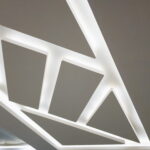
False ceilings enable easy installation of lights, including recessed lights and cove lighting. False ceilings make rooms look more professional and help increase the overall aesthetic value of a house.
What Really Affects False Ceiling Prices in Nepal?
The material you choose is not the only thing that affects false ceiling costs. Design, labour, lighting, and the condition of your home can also change the final price. Here are the main factors to consider.
1. Design Complexity
The simplest ceiling is typically cheaper than a curved or multi-level one. The complex design demands additional effort to frame and cut, and therefore costs more labour.
2. Lighting
Installation of cove lights, spotlights, or even hiding the wires will make the cost higher. The materials for electrical work and their installation costs should also be taken into account.
3. Ceiling Drop
The space between the original slab and the false ceiling affects the amount of framing needed. A deeper ceiling drop may require more materials and labour.
4. Total Area
Larger rooms may have smaller costs per square foot due to greater efficiency in material and labor use. Smaller rooms may have higher costs per square foot due to individual design.
5. Labour Skill
Selection of ceiling will also influence labour costs. There is additional cost involved in case of curved POP ceilings compared to gypsum ceilings which have flat surfaces.
6. Site Condition
Un-even ceilings, difficult access points and outdated wiring systems can also complicate things further. These factors might increase the ultimate cost, particularly in case of old buildings.
The choice of materials provides the initial budget; however, design, lighting, and labour costs will affect the overall cost. A good design will assist in keeping the overall cost low; however, additional finishes and work may result in an increased cost.
False Ceiling Price in Nepal by Material
Here’s the full false ceiling price in Nepal in table for 2026.
| Material | Price (Rs. per sq. ft.) | Best For |
| PVC false ceiling | 70–250 | Kitchens, bathrooms, rental units |
| Gypsum false ceiling | 100–400 | Living rooms, bedrooms, most homes |
| POP false ceiling | 250–600 | Curved or decorative designs |
| Mineral fiber ceiling | 450–750 | Offices, fire-code spaces |
| Metal ceiling | 300–800 | Hotels, commercial interiors |
| Glass ceiling | 300–800 | Malls, modern offices |
| Wooden false ceiling | 800–1,200 | Premium living rooms, statement ceilings |
Let’s go through each material in plain terms.
- Gypsum False Ceiling Price in Nepal
Gypsum is the most popular choice for false ceilings in Nepal at present. Gypsum boards are readily available to install quickly. Gypsum offers a sleek finish. Gypsum is suitable for LED strips and cove lighting.
A flat gypsum ceiling costs Rs. 120 to Rs. 180 per sq. ft. Add one drop level, and the price moves to Rs. 180 to Rs. 250. Go for a curved, multi-level gypsum design, and you’re looking at Rs. 250 to Rs. 400 or more.
For most homes, gypsum is the safe pick. It balances cost, looks, and speed of installation.
- POP Ceiling Price in Nepal
POP means Plaster of Paris. This is the traditional favorite used to make beautiful ceiling designs using curves, flowers, and ring patterns.
POP work needs skilled hands. That’s why it costs more than plain gypsum usually Rs. 250 to Rs. 600 per sq. ft., depending on how detailed the design gets. Choose POP only if you want that specific decorative look. For a clean modern ceiling, gypsum does the job for less.
- PVC False Ceiling Price in Nepal
PVC is the most economical material. It is waterproof. It does not deform in moist environments. It is the quickest material to install on this list.
PVC ceilings cost Rs. 70 to Rs. 250 per sq. ft. Use it in kitchens, bathrooms, and any room that sees regular moisture. It’s not the material for a formal living room. But it’s the right call for wet areas.
- Wooden False Ceiling Price in Nepal
Wood sits at the top of the price range: Rs. 800 to Rs. 1,200 per sq. ft. It’s priced more like furniture than a building material, and it looks it too. Rich, warm, and premium.
Use wood for one statement room. A home theatre. A formal living room. It’s rarely worth using across an entire house.
- Metal, Glass, and Mineral Fiber Ceilings
These three sit in a similar price band: Rs. 300 to Rs. 800 per sq. ft. They’re less common in homes and more common in offices, hotels, and commercial spaces. Metal and mineral fiber ceilings are strong and fire-resistant. Glass ceilings look modern but need careful, professional installation.
False Ceiling Price for a Full Room in Kathmandu
The price per square foot gives you a general idea, but most homeowners want to know the likely cost for an entire room. For instance, we can assume a 180 square feet living room, a popular dimension in Kathmandu apartments.
| Ceiling Type | Approx. Rate (Rs./sq. ft.) | Estimated Cost for 180 sq. ft. |
| Basic PVC | Rs. 100 | Around Rs. 18,000 |
| Flat Gypsum | Rs. 150–180 | Around Rs. 27,000–32,000 |
| Gypsum with Cove Lighting | Rs. 220–280 | Around Rs. 40,000–50,000 |
| Decorative POP | Rs. 350–450 | Around Rs. 63,000–81,000 |
| Wooden Statement Ceiling | Rs. 900–1,100 | Around Rs. 162,000–198,000 |
These are only rough estimates. The actual price can change depending on the design, material quality, labour, lighting, and condition of the existing ceiling.
Bedrooms are often around 120–150 sq. ft., while kitchens may be around 80–120 sq. ft., so their total cost will usually be lower.
If you are planning false ceilings for several rooms, it can also be worth asking for a combined quotation. Doing the work together may help reduce the overall cost per square foot.
Gypsum vs. POP vs. PVC: A Simple Comparison
Not sure which material fits your room? Here’s a quick side-by-side.
| Factor | Gypsum | POP | PVC |
| Price | Medium | Medium-high | Low |
| Finish | Smooth, modern | Decorative, curved | Smooth, plain |
| Handles moisture | No | No | Yes |
| Best room | Living room, bedroom | Formal living room, hall | Kitchen, bathroom |
| Install speed | Fast | Slow | Fastest |
| Upkeep | Low | Medium | Very low |
A simple rule works for most Kathmandu homes. Use gypsum for living rooms and bedrooms. Use PVC for kitchens and bathrooms. Use POP only where you want decorative curves.
Labour Cost for False Ceiling Installation
Labour can make a noticeable difference to your total false ceiling cost. In Nepal, installation labour may range from around Rs. 100 to Rs. 300 per sq. ft., depending on the type of work.
A simple flat gypsum ceiling usually costs less to install. Curved, layered, or detailed designs take more time and skill, so the labour charge is higher.
This is why two contractors can give very different quotes for the same material. For example, a basic gypsum ceiling may need much less work than a detailed gypsum ceiling with cove lighting and multiple levels.
Before choosing a contractor, ask exactly what the quoted price covers. Does it include materials and labour? Is electrical work included? Ask for these details in writing so you can compare quotations properly and avoid unexpected costs.
Is a False Ceiling Worth the Extra Cost?
A plain plastered and painted ceiling costs far less, around Rs. 30 to Rs. 60 per sq. ft. That’s a fraction of even the cheapest false ceiling option.
So is a false ceiling worth it? It depends on your plans.
If you’re renovating a rental property to sell fast, a plain ceiling might be the smarter, cheaper call. If you’re building or renovating your long-term home, the math usually favours a false ceiling. Over 10 to 15 years, better heat insulation, protected wiring, and stronger resale value tend to offset the higher upfront cost.
How to Lower Your False Ceiling Price Without Cutting Corners
You don’t have to choose the cheapest materials to keep your false ceiling budget under control. A few simple decisions can reduce the overall cost while still giving you a clean and attractive finish.
- Keep detailed designs for one room: For bedrooms, flat gypsum ceilings are ideal, while for living rooms you can go for decorative designs, curves and additional lighting since they will make much difference here.
- Plan the wiring before installation: Before installing your ceiling, decide on how the lights, fans and other electrical points will be placed. Altering them once the ceiling has been installed will mean extra wiring and repairs.
- Do several rooms at once: When renovating several rooms, it is better to do the ceiling installation simultaneously since this might save time on labour and materials.
- Choose gypsum for simple designs: If you are not looking for any curves or complicated designs, gypsum will suit you. It is easy to fit and provides a neat and modern look.
- Get an itemized quotation: Get a quotation that will list all costs of the project, from material, framing, labor, electrician, and finishing. It will be easy to compare quotations and know hidden charges.
Maintenance Tips for Nepal’s Climate
A false ceiling needs some care to last. Nepal’s mix of monsoon humidity and dry, dusty seasons puts real wear on ceiling panels.
- After the monsoon season, inspect for any water stains that may have formed. Usually, this indicates the leakage of the roof above the ceiling, rather than damage to the ceiling itself.
- Clean gypsum and PVC ceiling panels using a dry cloth or a slightly damp one. This should be done regularly, especially near the lighting fixtures due to accumulation of dust.
- Avoid placing heavy objects on false ceilings, unless the structure has been reinforced to bear the weight.
- Re-painting gypsum and POP ceilings is recommended every three to five years, particularly kitchen ceilings.
Frequently Asked Questions
1. How much does a false ceiling cost in Nepal per square foot?
False ceiling prices in Nepal depend on the material used, the design and labour costs. Gypsum or PVC ceilings are generally affordable, whereas decorative POP and wood ceilings could be relatively expensive. Consult your quotation based on the size of the room and desired design.
2. Which false ceiling material is best for a home?
Gypsum, POP, and PVC are the materials that are preferred by people living in Nepal. Gypsum will work for modern designs and POP for decorative designs. PVC could be used in moist regions. It will all depend on what you prefer and how much money you have.
3. Is gypsum or POP better for a false ceiling?
Gypsum is the ideal material to use for ceilings that have flat and modern designs. On the other hand, POP is the better option for ceilings that are designed to be curvy. Consider these factors before making a decision.
4. How much does it cost to install a false ceiling in one room?
The cost will depend on the size of the room, ceiling material, design, and lighting needs. A room that is not elaborate will require less work than a room with levels. It would be better to conduct a site survey to determine the cost.
5. How long does false ceiling installation take?
The installation of one room can take about two to four days for simple projects. Designs that are more complex, wiring, and other processes such as drying will take longer.
6. Can I install a false ceiling in an old house?
Yes, false ceilings may be installed in many old houses. They will help in arranging wiring and give a better appearance to any uneven ceiling. Before installation, an expert must examine the present ceiling, water problems, and ceiling height.
7. Does a false ceiling reduce room heat?
A false ceiling causes an air gap between the existing slab and the newly created ceiling. This could be effective in reducing some amount of heat, especially in upper floors. Another way to achieve better results would be roof insulation and proper ventilation.
8. Does a false ceiling include lighting and electrical work?
Every quote does not include electrical and lighting services. Some firms quote separate prices for wiring, spotlights, and cove lighting. You should request a detailed quote to know exactly what is included in the total cost.
9. Is a false ceiling suitable for Nepal’s monsoon season?
It is determined by the type of material used and the moisture conditions of the room. Water-resistant materials could be better for moist rooms, but good waterproofing and ventilation should not be forgotten either. Make sure to fix all roof and water leaks before making the false ceiling.
10. How do I choose the right false ceiling design for my room?
Consider the height of the room, lighting requirements, cost and the style of the interior. Simple flat ceilings will be appropriate for small rooms, while large rooms could accommodate more elaborate or decorative ceilings. You could seek assistance from a professional when choosing an appropriate design.
Conclusion: Plan Your False Ceiling Budget Wisely
A false ceiling can improve your home’s appearance, lighting, and comfort. Whether you choose gypsum, POP, or PVC, the final false ceiling price in Nepal depends on your room size, design, materials, and labour.
Before starting the work, compare different designs, check the quality of materials, and ask for a clear quotation. A good plan helps you avoid unexpected costs and get a ceiling that suits your home.
If you’re planning a home renovation, explore Home Renovation Services in Kathmandu to learn more about the services available for your project.
Looking for professional false ceiling installation? Contact Reshape Home to discuss your requirements and request a site estimation.
More Services


Recent Posts
-

Common Plumbing Problems in Nepal: Causes, Safe Fixes, and When to Call a Plumber
Oct 18, 2026 | reshapehome
-
Earthquake Resistant House Design in Nepal: The Complete Homeowner’s Guide (2026)
Oct 04, 2026 | reshapehome
-
Waterproofing Cost in Nepal (2026): Price Per Sq Ft Guide
Sep 28, 2026 | reshapehome
-
False Ceiling Price in Nepal: Complete 2026 Cost Guide by Material & Room
Sep 22, 2026 | reshapehome
-
Gypsum Plaster in Nepal: The Complete Guide to Cost, Benefits, and Application
Sep 18, 2026 | reshapehome
-
House Design in Nepal: The Complete 2026 Guide
Aug 14, 2026 | reshapehome
-
Essential Guide: How to Fix Small Cracks in Basement Walls in Nepal
Aug 02, 2026 | reshapehome
-
Glass Price in Nepal 2026: Complete Guide
Jul 17, 2026 | reshapehome