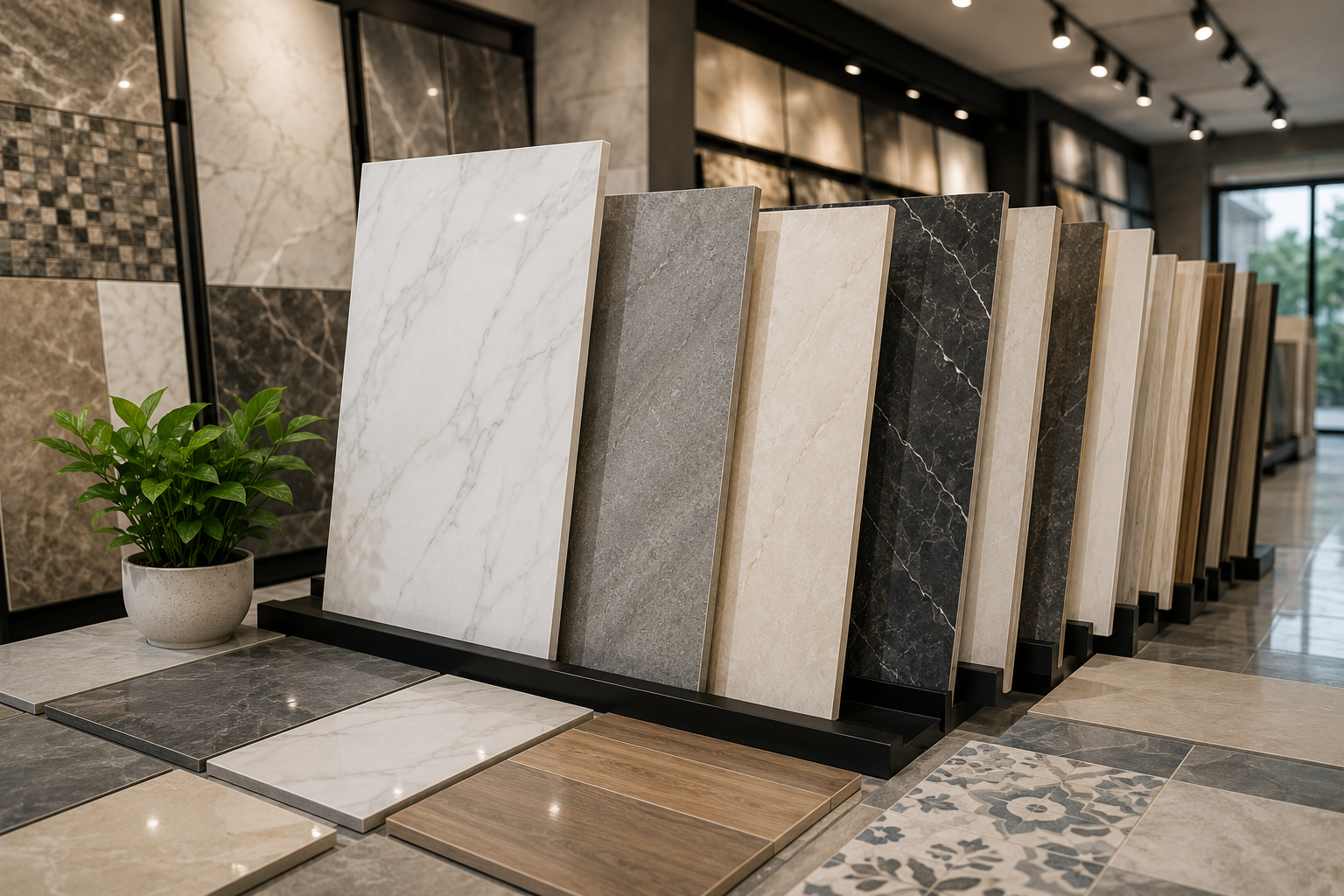
Whether you are building a home, renovating a bathroom or upgrading your kitchen floor, one of the first questions that comes to mind is: how much do tiles cost in Nepal? Tiles are very important for finishing your home and are a key part of any home maintenance plan. They affect how your space looks; how easy it is to clean and how long your floors and walls last. Choosing the tiles at the right price can make a big difference to both how your project looks and how much money you spend. So, tiles price in Nepal directly impacts the total cost of your project.
The good news is that Nepal’s tile market has grown a lot in years. There are now more options available than before. From basic ceramic tiles for people on a tight budget to premium imported marble and vitrified tiles for a luxury finish. With so many choices, it can be hard to know what to expect in terms of cost and quality.
Tiles price in Nepal can vary a lot. This guide covers everything you need to know about the price of tiles in Nepal in 2026, what types of tiles are available, what affects the cost of tiles, what to watch out for when buying tiles and how to get the value for your money. Tiles are one of the important finishing materials in any home.
Why Tile Selection Matters More Than Most People Think
Most homeowners focus on the look of tiles when choosing them, which makes sense but the type of tile you choose affects far more than just appearance.
The wrong tile in the wrong location can crack under pressure, become dangerously slippery when wet, absorb stains, or wear down quickly in high-traffic areas. A beautiful tile that is not suited to its purpose ends up costing more in the long run either through replacement, repairs, or ongoing maintenance.
Understanding the basics of tile types and their appropriate uses before looking at price helps you make a smarter decision from the start.
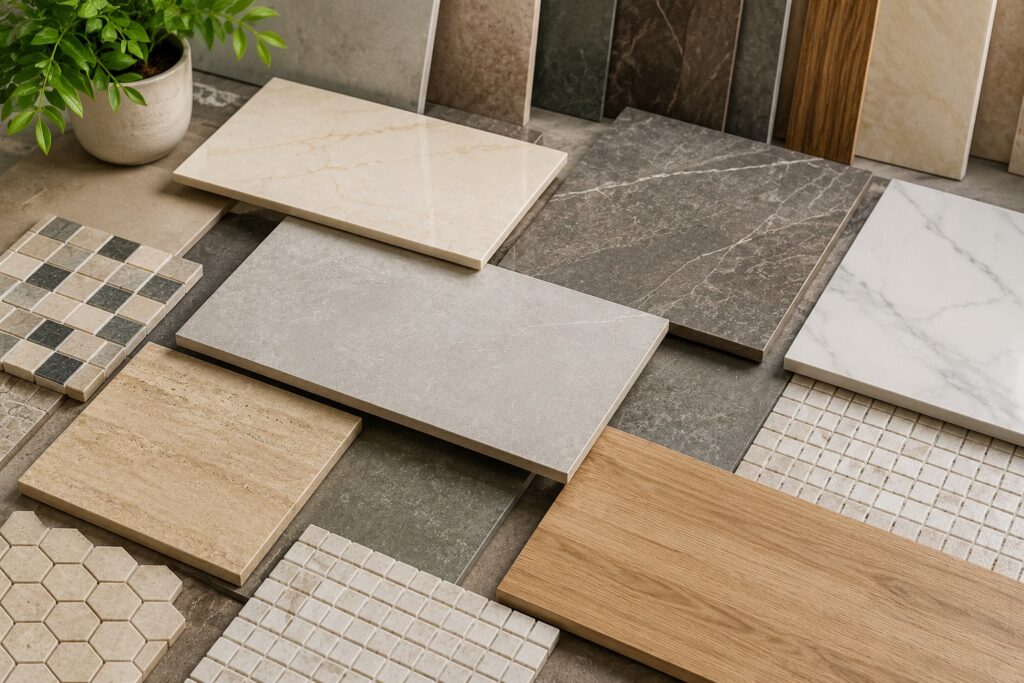
Types of Tiles and its Price in Nepal
Understanding tiles price in Nepal helps you choose better
| Tile Type | What It is | Best Used For | Price Per Sq.ft (NPR) |
| Ceramic Tiles | Made from clay, fired at high heat. Comes in many colours and patterns. Easy to clean. | Inside the house, walls and floors | NPR 40 – 150 |
| Vitrified Tiles | Made from clay and silica. Very hard and resistant to water and stains. Available in many sizes and finishes. | Living rooms, Bedrooms | NPR 80 – 300 |
| Porcelain Tiles | Fired at higher heat than ceramic. The strongest type of tile. Resistant to water and stains but harder to cut. | Heavy use areas, outdoors | NPR 120 – 400 |
| Marble Tiles | Natural stone with a luxurious look. Cool to touch. Needs more care as it can scratch easily. | Halls, living rooms, premium space | NPR 150 – 600 |
| Granite Tiles | Strong natural stone. Resistant to scratches and heat. Very durable. | Kitchens, countertops, outdoors | NPR 100 – 350 |
| Anti-Skid Tiles | Has a rough surface to prevent slipping. Made for safety in wet areas. | Bathrooms, outdoor areas, staircases | NPR 60 – 200 |
| Mosaic and Designer Tiles | Decorative tiles in various colours and patterns. More expensive than regular tiles. | Feature walls, borders, accent areas | NPR 150 – 800 |
Popular Tile Brands in Nepal
1. Kajaria
Kajaria is a well known company in Nepal that makes tiles. A lot of stores in Kathmandu sell Kajaria tiles because they are good and come in different kinds of ceramic and vitrified tiles. The price of Kajaria tiles in Nepal is usually between NPR 80 and NPR 300 per foot. This depends on what kind of tile it’s how it looks.
2. Somany
Somany is another company from India that’s easy to find in Nepal. They make floor tiles, wall tiles and bathroom tiles in different styles and at many different prices. This makes Somany a good choice for people with large amounts of money.
3. Nitco
Nitco tiles are a step up when it comes to how they look and how they are made. They are better for people who want their homes or offices to look modern and very nice.
4. Orientbell
Orientbell is popular with people who want tiles without spending too much money. They make ceramic tiles that are priced well for people who are fixing up their homes.
5. RAK Ceramics
RAK Ceramics is a company from another country that sells tiles at the end of the market in Nepal. They make porcelain, luxury tiles that look very refined. People usually choose RAK Ceramics tiles for nice homes and offices.
6. Local Nepali Suppliers
There are also stores in Nepal that sell tiles with their own brand names. These tiles are either made in Nepal or from India and China. They are usually the option and work well for areas like storage rooms or, for people who do not have a lot of money to spend.
Room-by-Room Tile Cost Breakdown
When planning tiles price in Nepal for each room, you need to know the cost for each room.
1. Living Room
- The living room is an area that needs tiles in most homes and it is also a room that everyone can see. So people usually choose vitrified tiles for living rooms because they look nice and clean and they can handle people walking on them every day.
- The cost of the tiles and the installation is around NPR 150 to NPR 400 per foot.
2. Bedroom
- Nowadays people in Nepal are using tiles in their bedrooms of marble or stone especially in city apartments. Vitrified tiles with a matte or satin finish are good for bedrooms because they are comfortable to walk on and easy to clean.
- The cost of the tiles and the installation is around NPR 120 to NPR 350 per foot.
3. Bathroom Floor and Walls
- Bathrooms need tiles that can handle water which are easy to clean and not slippery on the floor. Ceramic tiles are the common choice for bathroom walls and anti-skid ceramic or vitrified tiles are good for bathroom floors.
- The cost of the tiles and the installation is around NPR 80 to NPR 250 per foot.
4. Kitchen Floor and Walls
- Kitchens need tiles that can handle heat, moisture and heavy use. Vitrified tiles are good for kitchen floors and ceramic tiles or glass mosaic tiles are popular for kitchen walls and backsplashes.
- The cost of the tiles and the installation is around NPR 100 to NPR 300 per foot.
5. Outdoor Areas and Terraces
- Outdoor tiles need to be able to handle frost, rain and direct sunlight. Porcelain or natural stone tiles with a skid finish are the best choices for outdoor terraces, balconies and garden paths.
- The cost of the tiles and the installation is around NPR 100 to NPR 300 per foot.
6. Stairs
- Stair tiles need to be durable, not slippery and able to handle constant impact. Granite and anti-skid porcelain tiles are the popular choices for staircases in Nepal.
- The cost of the tiles and the installation is around NPR 150 to NPR 400, per foot.
Tile Installation Cost in Nepal
The cost of tiles is only one part of the total tiling budget. Installation labor is a significant additional cost that many people underestimate when planning.
The tiles price in Nepal typically ranges from NPR 25 to NPR 60 per square foot for standard installations. Complex patterns, large format tiles, and difficult surfaces can increase this cost.
Additional costs to account for include tile adhesive and grout, which typically add NPR 15 to NPR 30 per square foot, and any surface preparation work such as levelling or waterproofing that may be needed before tiling begins.
A rough rule of thumb for total tiling budget is to add 30 to 40 percent on top of the tile cost itself to cover installation, materials, and wastage.
Factors That Affect Tiles Price in Nepal
Several things affect tiles price in Nepal:
Tile Size
Tiles cost more but are cheaper per square foot. This is because you need fewer of them and less work is required for cutting and grouting. Larger tiles need a very flat surface and skilled workers which can make labor costs higher.
Brand and Origin
Tiles made in Nepal are usually cheaper than those imported from India, China, Italy or Spain. Indian tiles are popular in Nepal because of trade relations and competitive prices. European tiles from Italy and Spain are the most expensive but also the best quality.
Finish and Design
Plain tiles in colors are much cheaper than tiles with complex patterns or designs. Polished tiles cost a bit more than matte ones. Custom designs and large printed tiles are expensive.
Thickness
Thicker tiles are stronger and better for areas and outdoors. They are also more expensive. Regular indoor tiles are usually 6 to 8 millimeters thick. Outdoor tiles can be 10 to 12 millimeters or more.
Quantity
Buying tiles from one supplier usually makes the price per tile lower. If you are tiling an area ask for a bulk price instead of the regular retail price.
Quality Grade
Tile manufacturers give grades. First-grade tiles have no defects, consistent color and accurate size. Lower grade tiles may have color differences or surface issues. Always buy first-grade tiles for areas.
Popular Tile Brands in Nepal
Nepal’s tile market has locally made tiles and imported brands. Some popular brands in Nepal are:
1. Local Brands
Several Nepali companies make vitrified tiles at reasonable prices. Local brands are usually the option and are easily found in hardware shops in Kathmandu and other big cities. Nepali manufacturers produce tiles that are good quality and affordable.
2. Indian Brands
Indian tile brands are very common in Nepal because Nepal and India have trade relationships. Brands from Gujarat which is a major tile manufacturing hub in India are particularly popular. These Indian brands offer mid-range to premium quality tiles at prices that are between local Nepali tiles and European imports. Indian brands like those from Gujarat are widely available.
3. Chinese Brands
Chinese tiles are available in Nepal at prices and their quality has improved a lot over the past decade. They are a choice for budget projects because they are affordable. Chinese tiles are often chosen for their price.
4. European Brands
Italian and Spanish tiles are the premium brands in Nepal. They are mainly used in luxury homes and end commercial spaces. These European brands offer the refined designs and the highest quality standards but they are very expensive. Italian and Spanish tiles are known for their quality.
How to Estimate How Many Tiles You Need
Before going to a tile shop or placing an order, calculating the number of tiles you need saves time and prevents either under-ordering or over-ordering.
The basic calculation is straightforward. Measure the length and width of the area you want to tile in meters and multiply them together to get the total square metreage. If the area has irregular shapes, break it into rectangles, calculate each separately, and add them together.
Always add 10 to 15 percent to your total for wastage, cutting, and breakage. For areas with complex patterns or diagonal layouts, add 15 to 20 percent. It is always better to have a few tiles left over than to run short and find the same batch is no longer available.
Common Mistakes to Avoid When Buying Tiles in Nepal
Buying Tiles Without Measuring
Many people make a mistake by not measuring the area before buying tiles. The problem with this is that tile batches sell out quickly and the next batch may not match the one exactly. So measure the space, add an extra for cuts and wastage and confirm the full quantity needed before going to the shop to buy tiles.
Choosing Tiles Based on Showroom Lighting
Showrooms have lighting that makes every tile look good.. The same tile can look very different in a bedroom or living room. Take a sample piece of the tile home. Place it in the actual room where you plan to use it before deciding to buy tiles.
Ignoring the Slip Rating
A tile that looks great can still be dangerous if it gets slippery when wet. This is a concern for bathrooms, kitchens and outdoor spaces where tiles are often used. Check the slip resistance rating of the tile before buying and choose tiles that’re safe.
Mixing Batches
Even the same tile design can have colour differences between batches. This becomes very visible once the tiles are laid. Buy everything needed for one area together. Check that all boxes carry the same batch number to ensure you have enough tiles.
Skipping Waterproofing in Wet Areas
Tiles do not waterproof a surface on their own. Water can still get through the grout lines and behind the tiles if the base is not properly waterproofed first. This leads to damage that is both hidden and expensive to repair. So, make sure to waterproof the area before laying tiles.
Choosing Tiles Without Checking Quality
Cheap tiles often have uneven sizes or surface flaws that only become obvious during installation. Check the grade of the tile. Ask for a sample before placing a bulk order, for tiles. Good quality tiles cost upfront but save money over time because they last longer.
Tips for Getting the Best Value on Tiles in Nepal
- Compare prices from at least two or three suppliers before deciding, as prices for similar tiles can vary significantly between shops
- Ask about bulk discounts if you are tiling a large area as most suppliers will negotiate on price for large orders
- Consider locally manufactured tiles for areas that are less visible, such as storage rooms or utility areas, and save your budget for premium tiles in main living areas
- Buy slightly more tiles than you need so you have matching tiles available for repairs in the future
- Ask for samples and take them home before committing to a large order
- Check whether the supplier offers installation services as well, as combining tile supply and installation with one contractor can sometimes reduce overall cost
- Avoid buying tiles from unverified suppliers who cannot confirm quality grade or batch consistency
Where to Buy Tiles in Nepal
Tiles are available from hardware shops, tile showrooms, and building material suppliers across Nepal. Kathmandu has a number of dedicated tile showrooms, particularly in areas like Balaju, Kalimati, and Koteshwor, where you can see a wide range of options in person.
For professional advice on tile selection and installation, Reshape Home can help. With experienced teams for flooring and renovation work across Kathmandu, Reshape Home ensures that tiles are installed correctly, on surfaces that are properly prepared, and with finishes that last.
Conclusion
Tiles are one of the most lasting investments you make in your home. The right tiles, properly installed, can last decades and significantly improve both the look and the value of your property. The wrong choice whether because of poor quality, wrong type for the location, or incorrect installation can become an expensive problem to fix. Knowing the tiles price in Nepal before starting saves money.
Take time to understand your options, measure accurately, compare prices from multiple suppliers, and always buy from verified sources that can confirm quality grades and batch consistency. If you are unsure about which tiles to choose or need professional installation, Reshape Home’s team is ready to help you get it right from the start.
Frequently Asked Questions
1. What is the average tile price in Nepal in 2026?
The tile price in Nepal in 2026 starts from NPR 40 per foot for basic ceramic tiles. For premium imported marble it can be NPR 600 or more per square foot. For living rooms and bedrooms vitrified tiles usually cost between NPR 80 and NPR 300 per foot.
2. Which type of tile is best for bathrooms in Nepal?
Ceramic tiles are a choice for bathroom walls in Nepal because they are affordable. Also, they are water-resistant. For bathroom floors, skid ceramic or vitrified tiles with a slip-resistant is highly recommended for safety.
3. How much does tile installation cost in Nepal?
In Nepal tile installation labor costs between NPR 25 and NPR 60 per foot. You also need to add NPR 15 to NPR 30 per foot for adhesive and grout. Complex patterns or large format tiles may cost more to install.
4. Are Indian tiles good quality for homes in Nepal?
Yes, Indian tiles from Gujarat are widely used in Nepal because they offer quality at competitive prices. They are available in styles and are generally reliable for homes.
5. What extra tiles should I buy for wastage?
It is best to buy 10 to 15 percent tiles than your measured area. If you have complex patterns or diagonal layouts buy 15 to 20 percent more tiles. This will help with cutting and breakage.
6. Can I use the tiles for floors and walls?
Not always. Floor tiles need to be harder and more slip resistant. They bear weight and foot traffic. Wall tiles can be lighter and thinner. Always check if a tile is rated for floor use.
7. What is the difference between vitrified tiles?
Ceramic tiles are made from clay. They are more porous and softer. Vitrified tiles are denser, harder and more water-resistant. They are fired at temperatures. So vitrified tiles are better for floors. Ceramic tiles are popular for walls.
8. Where can I get tile installation in Nepal?
Reshape Home offers professional flooring and tiling services in Kathmandu. Their team handles surface preparation waterproofing tile laying and finishing. They ensure a long-lasting result.
More Services


Recent Posts
-

Common Plumbing Problems in Nepal: Causes, Safe Fixes, and When to Call a Plumber
Oct 18, 2026 | reshapehome
-
Earthquake Resistant House Design in Nepal: The Complete Homeowner’s Guide (2026)
Oct 04, 2026 | reshapehome
-
Waterproofing Cost in Nepal (2026): Price Per Sq Ft Guide
Sep 28, 2026 | reshapehome
-
False Ceiling Price in Nepal: Complete 2026 Cost Guide by Material & Room
Sep 22, 2026 | reshapehome
-
Gypsum Plaster in Nepal: The Complete Guide to Cost, Benefits, and Application
Sep 18, 2026 | reshapehome
-
House Design in Nepal: The Complete 2026 Guide
Aug 14, 2026 | reshapehome
-
Essential Guide: How to Fix Small Cracks in Basement Walls in Nepal
Aug 02, 2026 | reshapehome
-
Glass Price in Nepal 2026: Complete Guide
Jul 17, 2026 | reshapehome