Electric wiring in your home is a very important aspect. It helps you to operate your lights, fans, cooking appliances and other appliances. However, if there are any issues with the wiring, then your home and family could be at risk.
Many homes in Nepal have issues with their wiring. . These electrical wiring problems in Nepal can occur due to old wiring, poor connections, high power usage or using poor-quality materials.
Common issues can include overloading, short circuits, damaged wiring, poor earthing and fluctuations in voltage. This can cause electric shocks, damage to appliances or even fires.
In this guide, we will show you the most common electrical wiring problems in Nepal. We will also tell you how to identify them, why they occur and how to prevent them.
Why Are Electrical Wiring Problems Common in Nepal?
Many houses in Nepal are old and do not have good electrical circuits to provide enough power for modern houses.
Older houses may only be wired for lighting, fans and a television. However, now you may have an induction cooker, washing machine, geyser, fridge and air conditioning.
This means there will be more strain on the wiring of the house. If the wiring isn’t designed to take the extra strain, it can get hot.
Common reasons are:
- Old wiring – Wiring can become worn over time, causing the insulation to get worn.
- Incorrectly wired – Incorrectly wired wires can cause problems.
- Inexpensive – Cheap cables and switches may not last very long.
- Fluctuating voltage – Wires can be affected by voltage changing suddenly.
- Water – House wiring can be damaged by water, such as rain and damp walls.
- Rats – Rats may chew through the wiring, leaving the metal exposed.
Most houses in Nepal run on a 230V power supply and 50Hz. The wiring must be appropriate for the amount of power required. If the wiring is poor, this can cause serious safety issues.
8 Common Electrical Wiring Problems in Nepal
Understanding the common issues can help identify them quickly. Below are 8 electrical wiring problems in Nepal that many homeowners will be aware of.
1. Overloaded Electrical Circuits
An overloaded circuit occurs when too many appliances use the same circuit.
For example, you may connect a heater, kettle, and television to one extension board. If the circuit cannot handle the total load, the wires may become too hot.
Common signs include:
- Lights become dim when an appliance starts.
- Plugs or sockets feel warm.
- The circuit breaker trips often.
- You notice a burning smell near a socket.
How to prevent it:
Do not connect too many high-power appliances to one circuit. Geysers, induction cookers, and air conditioners may need their own power lines.
Ask an electrician to check the load before adding new appliances.
2. Loose Electrical Connections
Loose connections can happen with switches, sockets and circuit breakers.
If the wiring is not properly secured, it can cause heat. This can cause damage to the outlet or other components nearby and, in some cases, can cause a fire.
Common signs include:
- Lights flickering.
- Buzzing/crackling switches.
- Sockets not working consistently.
- Burnt marks on switches.
- Melting plastic on the socket.
How to fix it:
Ask an electrician to check the loose connection. They can tighten the wire or replace damaged parts.
Do not ignore this problem, even if the socket still works.
3. Short Circuits
A short circuit can occur when the live wires touch the neutral wires. This can cause a surge in current.
This can all happen if there is damaged wiring, poor insulation, water or faulty switches.
Common signs include:
- Sparks from switches or sockets.
- A loud popping sound.
- Black marks near electrical fittings.
- The circuit breaker trips at once.
- A burning smell near the wiring.
How to fix it:
Turn off the affected circuit if it is safe to do so. Do not keep resetting a breaker that trips again and again.
Call an electrician to find the fault and repair the damaged wires.
4. Old or Damaged Electrical Wires
Electrical wires can wear out with age. Heat, water, sunlight, and poor care can damage their outer cover.
When the cover cracks, the metal inside may become exposed. This can cause electric shocks or short circuits.
Older homes may face this issue if they still use their original wiring.
Common signs include:
- Cracked or damaged wire covers.
- Frequent power problems.
- Burning smells near wires.
- Small shocks from switches or appliances.
- Damaged sockets and fittings.
How to fix it:
Ask an electrician to check the full wiring system. You may need to replace some wires or rewire the whole house.
Do not rely on tape or small repairs if the wires are old and damaged.
5. Poor or Missing Electrical Earthing
Earthing is a key part of electrical safety. It gives fault current a safe path to the ground.
Without proper earthing, the metal body of an appliance may carry electricity during a fault. Touching it could cause an electric shock.
This can be risky with fridges, washing machines, and water heaters.
Common signs include:
- Small shocks when touching appliances.
- Sockets without an earth connection.
- Rust or damage in earthing parts.
- Safety devices that do not work as they should.
How to fix it:
Ask a qualified electrician to check the earthing system. They should test it with the right tools.
Do not assume that your home has proper earthing just because an earth wire is present.
6. Faulty Circuit Breakers and Safety Devices
Circuit breakers help protect your home from too much current. They also help stop damage during some electrical faults.
But old or faulty breakers may not work well. Some homeowners also replace a breaker with one that has a higher rating when it keeps tripping.
This is not a safe way to solve the problem. It can allow wires to carry more current than they can handle.
Common signs include:
- Breakers trip again and again.
- Burn marks near the main board.
- Old fuse boxes.
- Breakers that do not work as expected.
How to fix it:
Ask an electrician to check your distribution board. They can select the right MCBs and RCDs for your home.
These safety devices help protect wiring and reduce the risk of electric shocks.
7. Voltage Fluctuations
Voltage fluctuation means the power supply becomes too high or too low.
It can affect lights, fans, fridges, and other appliances. In some cases, it may also point to a fault in your home’s wiring.
Common signs include:
- Lights become bright or dim without warning.
- Bulbs burn out too often.
- Appliances stop working as expected.
- Motors make strange sounds or become hot.
How to fix it:
The cause may be in the power supply or inside your home.
If you think the problem comes from the local supply, contact your Nepal Electricity Authority (NEA) office. An electrician can also check your home’s wires and connections.
You can use a suitable stabiliser or surge protector to help protect sensitive appliances.
8. Low-Quality Electrical Cables and Fittings
Cheap electrical materials may seem like a way to save money. But poor-quality cables, switches, and sockets can create safety risks.
Some cables may not have the right amount of copper. Poor switches may also become loose, crack, or spark.
Common signs include:
- Sockets do not hold plugs firmly.
- Switches produce sparks.
- Wires become too hot.
- Electrical fittings crack or break.
How to prevent it:
Use good-quality cables, switches, sockets, and breakers. Buy them from trusted suppliers.
The wire size must also match the power load. Ask an electrician to choose the right size for your home.
Warning Signs of Electrical Wiring Problems in Nepal
Electrical faults often show warning signs before they become serious. Knowing these signs can help you act in time.
| Warning sign | Possible cause | What you should do |
| Flickering lights | Loose wires or high load | Arrange an inspection |
| Breaker trips often | Overload or short circuit | Turn off the affected circuit and call an electrician |
| Burning smell | Wires or fittings may be too hot | Turn off the main power if safe and seek urgent help |
| Warm sockets | Loose connection or high load | Stop using the socket |
| Buzzing sounds | Loose or faulty connection | Turn off the affected circuit if safe |
| Electric shocks | Poor earthing or power leakage | Stop using the appliance |
| Bulbs burn out often | Voltage or wiring problem | Check the power supply |
| Sparks near plugs | Damaged socket or loose parts | Stop using the socket |
Important: Never ignore sparks, burning smells, or electric shocks. Turn off the power if it is safe and call an electrician.
What Should You Do If You Find an Electrical Fault?
An electrical fault can be dangerous. So, it is important to act with care.
Follow these steps if you notice a problem:
- Turn off the power: Switch off the main supply or affected circuit if you can do so safely.
- Stay away from damaged wires: Never touch exposed wires or broken sockets.
- Avoid wet areas: Do not touch switches with wet hands or while standing on a wet floor.
- Stop using faulty appliances: Do not use an appliance that gives shocks or shows signs of damage.
- Call an electrician: Explain what happened and ask for a proper check.
What Should You Do During an Electrical Fire?
Never pour water on an electrical fire. Water can make the danger worse.
If you can do so safely, use a suitable dry powder or CO₂ fire extinguisher. If the fire spreads, leave the building and call the fire service.
In Nepal, you can call 101 for fire emergencies.
Do not try to repair wires or electrical parts during a fire.
How Nepal’s Weather Affects Electrical Wiring
Weather and the local environment can also affect your home’s electrical system.
Here are some common risks to watch for.
Monsoon Season
Rain and moisture can damage electrical fittings. Water may enter outdoor sockets, switchboards, and junction boxes.
Leaking roofs and damp walls can also affect hidden wires.
Before the monsoon, check:
- Outdoor lights and sockets.
- Meter boxes and main boards.
- Wires connected to rooftop water pumps.
- Junction boxes near open areas.
- Roof leaks and damp walls.
If your breaker trips when it rains, water may have reached an electrical part. Ask an electrician to check it.
You can also read our guide on common plumbing problems in Nepal to learn about other home repair issues.
Earthquakes
Earthquakes can loosen electrical connections and damage hidden wires.
Even if you cannot see the damage, loose wires may create a safety risk.
After a strong earthquake, get your electrical system checked. This is even more important if you notice cracks or damage in your home.
If you are planning a new house, think about electrical safety during the design stage. Read our earthquake-resistant house design guide for more details.
Winter Season
Many homes use electric heaters during winter. These appliances need a lot of power.
If you use a heater on a circuit made for lights and small appliances, it may cause an overload.
Use the right circuit for high-power appliances. Avoid connecting many appliances to one extension board.
Damage Caused by Rats
Rats can chew wires in ceilings, walls, and storage areas. This can damage the outer cover and expose the metal inside.
Use proper conduits to protect wires. Also, seal holes where rats may enter your home.
Can You Fix Electrical Wiring Problems in Nepal Yourself?
Some small tasks may be safe to do at home. For example, you can change a light bulb after turning off the power.
But most electrical repairs need the help of a trained electrician.
You should hire a professional for:
- Repairing the main electrical board.
- Replacing circuit breakers.
- Adding new sockets or circuits.
- Repairing the earthing system.
- Replacing old house wiring.
- Finding faults inside walls.
- Installing geysers and air conditioners.
- Fixing repeated breaker trips.
- Checking burning smells or electric shocks.
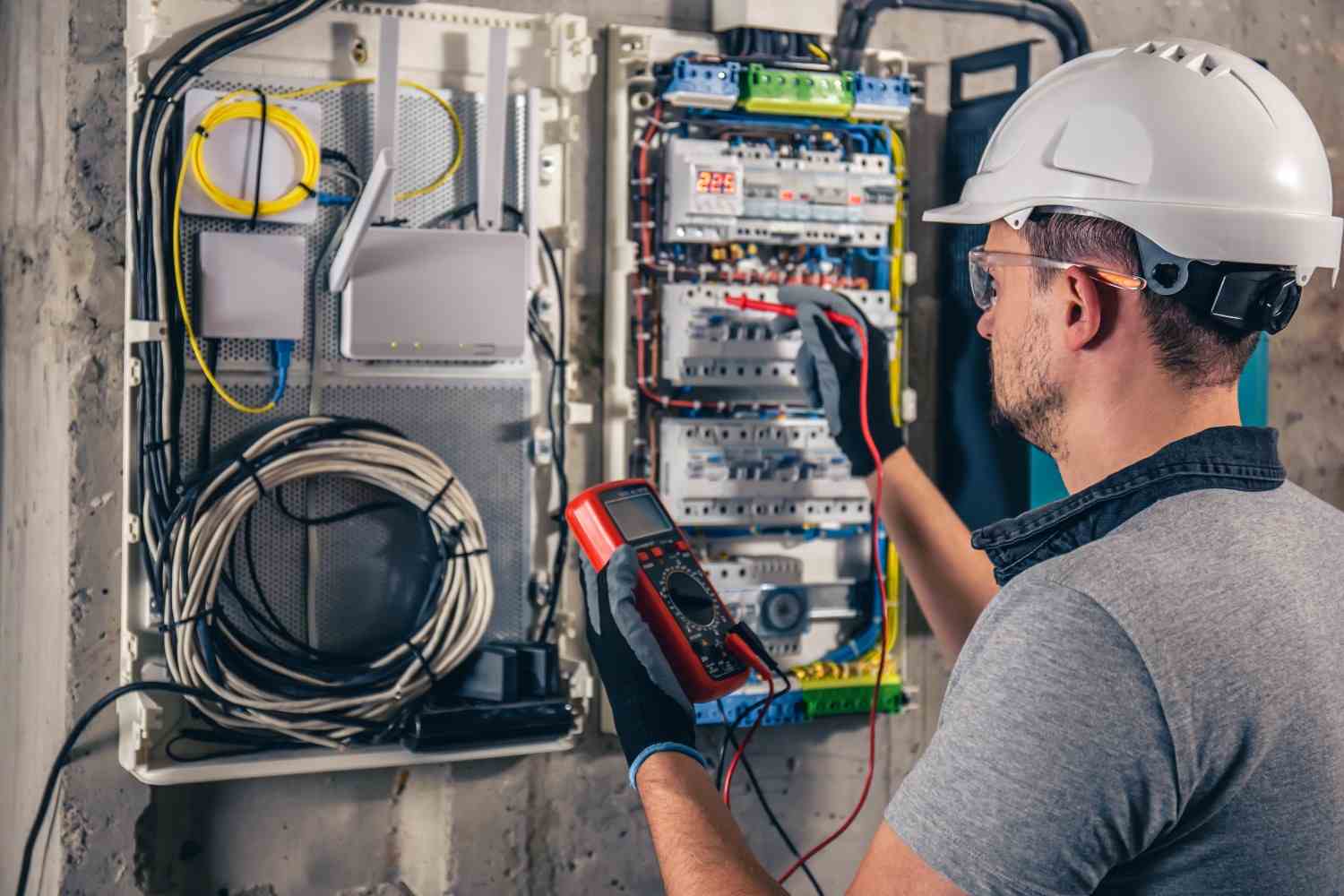
Electricians use special tools to test wires and connections. These tools help them find faults that you may not see.
For your safety, do not try to repair complex wiring on your own.
How to Prevent Electrical Wiring Problems at Home
Good care can help reduce electrical faults. It can also keep your home and appliances safe.
Follow these simple tips:
- Check your wiring: Arrange a safety check every two to three years. Older homes may need checks more often.
- Plan for new appliances: Check the power load before adding a geyser, heater, or AC.
- Use good materials: Choose quality cables, switches, and sockets.
- Install safety devices: Make sure your home has the right MCBs and RCDs.
- Check earthing: Ask an electrician to test your earthing system.
- Avoid too many plugs: Do not connect several extension boards together.
- Label your main board: Mark each breaker so you know which area it controls.
- Protect outdoor wires: Use fittings made for outdoor use.
- Check after damage: Get an inspection after floods or earthquakes.
Planning a home renovation? It is a good time to check old wires and replace damaged parts.
Read our home renovation guide for Nepal to learn more about planning your project.
How Much Does Electrical Wiring Repair Cost in Nepal?
The cost of electrical wiring repair in Nepal depends on the work needed.
For example, fixing one socket will cost less than rewiring an entire house.
Several factors can affect the total cost:
- Size of the house.
- Number of sockets and switches.
- Condition of the old wires.
- Type of cables and fittings.
- Number of high-power appliances.
- Need for partial or full rewiring.
- Access to wires inside walls.
- Condition of the earthing system.
It is hard to give an exact price without seeing the property.
The best option is to ask an electrician to inspect your home. You can then get a clear estimate for materials and labour.
Reshape Home offers free estimates in Kathmandu, Lalitpur, and Bhaktapur. Contact the team to discuss your repair needs and get an estimate before work starts.
How to Choose a Reliable Electrician in Nepal?
Selecting the right Electrician is as essential as choosing quality products.
Below are what to look for before getting one.
1. Check Their Experience
Select an individual who has previously wired a home or office. Inquire about any previous work.
2. Ask for a Site Visit
A good electrician will visit your house to conduct a final inspection before providing a quote.
3. Check the Materials
Inquire about the type of cables, switches, and breakers they plan to use so that you can make sure they’re all right for your house.
4. Get a Written Estimate
Get an estimate for materials, labour, and time.
5. Ask About Safety Tests
The electrician should test the wiring after the work is complete. This could include checks for earthing, insulation, and safety devices.
6. Read Customer Reviews
Read reviews from previous customers. This is an excellent way to find out about their job and their service.
Stay away from anyone advocating removal of safety devices, replacing the wiring with a cheaper type and not earthing the wires.
How Reshape Home Can Help With Electrical Wiring Problems in Nepal?
Electrical faults need the right tools, materials, and skills. A proper repair can help keep your home safe.
Reshape Home provides repair and maintenance services in Nepal. It is also a sister company of Beda Baba Constructions.
Our electrical services in Kathmandu cover wiring, lighting, and fault checks for homes and businesses.
Here is how we work:
- Tell us about the problem: Contact our team and explain what you need.
- Book a site visit: Our team visits your property to check the issue.
- Get an estimate: We explain the work and share the estimated cost.
- Start the repair: Our team carries out the work with suitable materials.
- Get follow-up support: We follow up after the service.
Whether you need a small repair or a wiring upgrade, our team is ready to help.
Book a service online or contact us today.
Phone: 9841291339 / 014373124
Email: info@reshapehome.com
Final Thoughts
Electrical wiring problems can be a risk to your home in Nepal. However, many issues can be avoided by regularly checking your wiring and taking care of it.
Look for indicators such as flickering lights, hot sockets and frequently tripping breakers. Ensure you use quality materials and that your home is correctly earthed with safety devices.
You should never ignore electrical faults. If you have complex wiring then get a qualified electrician to help you.
Need help with your electrical wiring?
Book an inspection with Reshape Home or call 9841291339 today.
Frequently Asked Questions About Electrical Wiring Problems in Nepal
1. What are the most common electrical wiring problems in a house?
Overloaded circuits, loose connections, short circuits, damaged wiring and incorrect earthing are the most common issues. This can cause flickering lights, loss of power, electric shocks and electrical fires.
2. How do I know if my house has faulty electrical wiring?
Common signs of faulty wiring would be flickering lights, burning smells, hot sockets, buzzing noises and frequent breaker trips. You may also experience sparking or little shocks when using appliances. Contact an electrician.
3. What causes electrical wiring problems in homes?
Electrical wiring issues can be caused by old wiring, incorrect installation, overloaded circuits and poor-quality materials. Leaking water, damaged insulation and loose connections can also cause electrical issues.
4. Why does my circuit breaker keep tripping?
A circuit breaker may trip when a circuit carries too much power. It can also happen due to a short circuit or electrical leakage. Do not keep resetting the breaker without finding the cause. Ask an electrician to inspect it.
5. How long does house electrical wiring last?
The life of house wiring depends on the quality of materials, installation, and care. Well-installed wiring can last for many years. However, old or damaged wires should be checked and replaced when needed.
6. Is it safe to live in a house with old electrical wiring?
Not always. Old wiring may have damaged insulation, loose connections, or poor earthing. These problems can increase the risk of electric shocks and fires. Get the wiring checked before it becomes a safety issue.
7. How much does it cost to rewire a house in Nepal?
The cost of house rewiring in Nepal depends on the size of the house, number of electrical points, wire quality, and labour charges. Partial rewiring usually costs less than a full house rewire. Contact an electrician for an inspection and cost estimate.
8. When should I call an electrician for wiring problems?
Call an electrician if you notice burning smells, sparks, warm sockets, repeated breaker trips, or electric shocks. These signs may point to serious wiring faults. Do not try to repair damaged wires yourself.
More Services


Recent Posts
-

Electrical Wiring Problems in Nepal: Common Issues, Signs, and Solutions
Nov 05, 2026 | reshapehome
-
Best Home Renovation in Nepal: The Complete Guide for 2026
Nov 02, 2026 | reshapehome
-
Common Plumbing Problems in Nepal: Causes, Safe Fixes, and When to Call a Plumber
Oct 18, 2026 | reshapehome
-
Earthquake Resistant House Design in Nepal: The Complete Homeowner’s Guide (2026)
Oct 04, 2026 | reshapehome
-
Waterproofing Cost in Nepal (2026): Price Per Sq Ft Guide
Sep 28, 2026 | reshapehome
-
False Ceiling Price in Nepal: Complete 2026 Cost Guide by Material & Room
Sep 22, 2026 | reshapehome
-
Gypsum Plaster in Nepal: The Complete Guide to Cost, Benefits, and Application
Sep 18, 2026 | reshapehome
-
House Design in Nepal: The Complete 2026 Guide
Aug 14, 2026 | reshapehome