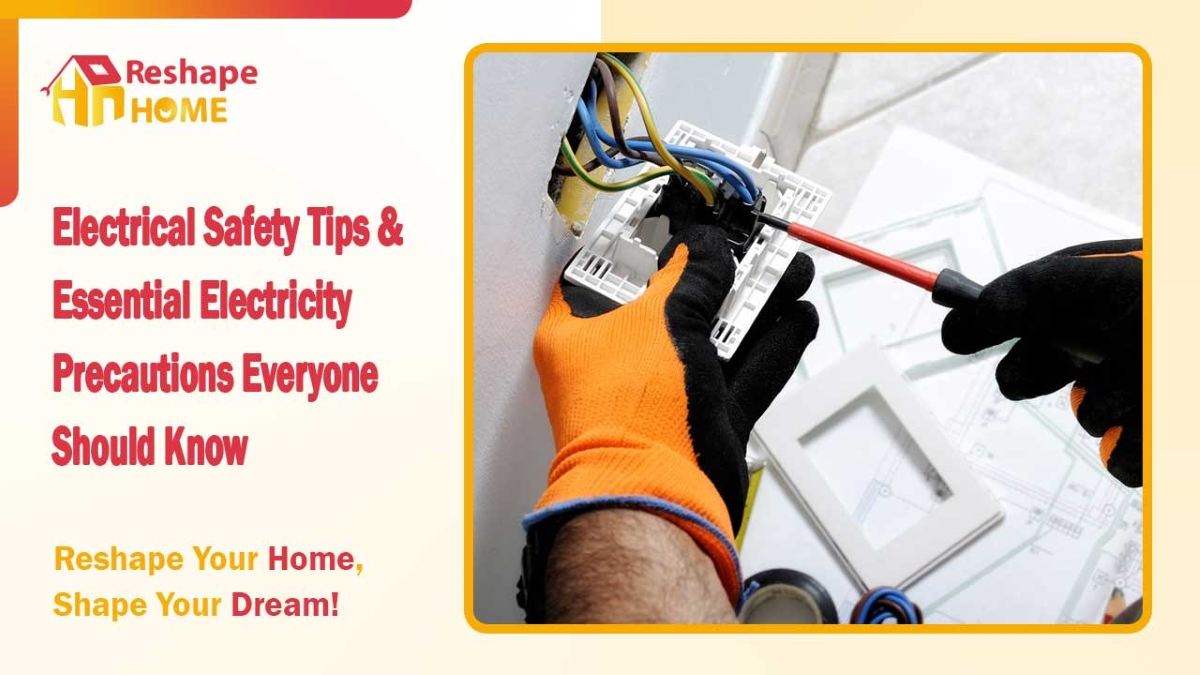
Electricity powers modern life and provides comfort. But still, it can be quite dangerous if the circumstances are not managed properly. Its hazards require more diligent safety practices to prevent serious injuries like electric shocks, burns, or fires. This is the reason why learning the proper electrical safety measures is a very necessary thing for everyone.
In case you are a homeowner, tenant, business owner, or technician, the knowledge of electricity safety tips is the best insurance for your property as well as for your life.
This manual will provide you with the most workable, easiest, and reliable electric safety measures that you can implement right away.
What Is Electrical Safety and Why Does It Matter
Electrical safety refers to the methods in which electricity is utilized in a safe way so that it does not result in the generation of a dangerous situation, such as an electrocution, electrical fire, or damage to equipment. One of the main factors of electrical safety is the proper installation, the right use, and the regular checking of the electrical systems and devices.
Nowadays, electricity is a part of our lives that we take for granted, but still most people cannot realize how potentially dangerous it is. The improper use of electricity is done quite often through the use of wiring that is not done properly and is hidden behind the walls, sockets that are overloaded with many plugs, and appliances that are damaged in this way, fire, and other accidents might be caused without people having any idea or being able to foresee it.
Electrical safety matters because:
- Electricity has the potential to burn a person severely and cause other grievous injuries.
- One of the main reasons that leads to house fires is the wiring that has been done improperly.
- Defective electrical systems are a source of both increased energy consumption and the wearing of appliances.
- Life-threatening electric shocks may result from dumb mistakes.
By following the electrical safety rules, the risk of electric shocks can be reduced to a minimum. Awareness of the situation is a way of saving lives.
Basic Electrical Safety Rules Everyone Should Follow
Whatever person you might be, these fundamental electrical safety rules should always be in your daily routines.
- Using an electric device when you have wet hands is something that should be avoided at any cost because it is one of the common ways to get an electric shock, as water is a very efficient conductor of electricity.
- Do not put too much load on your sockets. The action of plugging too many devices into one outlet can cause the outlet to overheat and, in the end, catch fire.
- For sure, the power must be turned off if you are going to fix or simply check the wiring or electrical equipment.
- Do not drag a plug by its cord. To prevent wire damage, always work with the plug itself.
- Do not use damaged appliances that are in poor condition. Worn wires, broken plugs, or loose connections are a few of the signs that you should immediately stop using that device.
- Definitely, do not allow children to have access to electronic gadgets, and besides that, put safety covers on the outlets that are not being used.
- Just make use of certified parts when you are meeting your electrical requirements. Low-quality and non-certified products may be incapable of a heavy load; thus, they may be the source of accidents.
Living and working would be less risky if these rules of electrical safety were observed.
Essential Electrical Safety Tips for Homeowners
Today none of houses or infrastructures are totally immune from the electrical hazards. The most risky places for the occurrence of electrical disasters are the kitchen, bathroom, and in the case of old wiring.
To be safe from any electrical danger, these are must-do home electrical safety tips for each homeowner:
- Examine the situation of your switches and outlets regularly; are they getting hot? Are they giving out a burning smell?
- In case your extension cord is deteriorated, do not attempt to fix it by taping; instead, purchase a new one.
- There should be no wires running under carpets or mats since this may lead to overheating of the wires.
- Always use surge protectors for expensive devices like TVs and computers.
- If electric appliances were kept away from a water source up to a point where there is no risk, it would certainly be much safer.
- One thing that you should definitely refrain from is overloading power strips by putting too many plugs into them.
- Do not forget to plan frequent professional check-ups, especially in the case of an older house.
Such small actions not only raise the level of electrical safety at home but also prevent the risk of serious accidents and costly repairs.
Safety Measures in Using Electricity at Work and Home
Electricity risks are everywhere; however, the risk level is considerably higher in those places where heavy machinery and tools are used.
At Home:
- Make sure switchboards are always dry and clean.
- Remove the plugs from the sockets of the devices that you do not use.
- Change worn-out sockets immediately.
- Only use good-quality extension cords if it is necessary.
At Work:
- The wiring at the workplace should be in good condition at all times through regular maintenance.
- Management must provide safety training to employees
- Moulds should be grounded properly.
- Fuse boxes should have clear labels, and they should be easy to open.
- Install waterproof sockets in wet areas.
Electricity should be handled with the most consistent safety measures at all times, without any exception, whether it is a home or a workplace.
Electrical Safety Precautions to Prevent Accidents
Most of the time, electricity-related accidents are situations that result from the combination of carelessness and lack of knowledge.
To be safe when dealing with electricity, a number of rules have to be taken into consideration.
- Installation of circuit breakers and fuses
- Electrically powered devices should not be near any highly flammable materials.
- Don’t attempt to fix the electrical devices in your house if you lack the proper knowledge.
- Make sure that the inspection of sockets and switches is done both visually and functionally.
- Do not operate the machines that have wires exposed.
- Firstly, switch off the appliances and then detach the plugs.
In case you follow these electrical safety rules, you are making a significant step in the direction of fire risk minimization, keeping your devices safe from damage, and yourself from being hurt.
Safety Measures for Electric Shock Prevention
Without a doubt, an electric shock can be fatal to a human; however, if the correct prevention methods are used, the risk can be minimized to a very low level.
Important safety measures of electric shock prevention include:
- Use insulated tools when working with electricity.
- Wearing protective equipment.
- Not using metal ladders near electrical connections.
- Installing residual current devices (RCDs).
- Utilizing rubber mats in power sections.
Don’t ever come into contact with a person who has received an electric shock if the current is still passing through them. Switch off the power at once and call for help.
Importance of Electrical Safety Gloves and When to Use Them
Electrical safety gloves aren’t just for the professionals. They are a must, at any time, if there is a risk of the live current coming in contact with your body.
Such gloves make the hands safe from:
- Electric shock
- Burns
- Cuts caused by wires
- Chemical exposure during electrical work
Wear electrical safety gloves in the following:
- Wiring repair
- Meter checking
- Handling of exposed wires
- Working in wet conditions
- Performing outdoor electrical work
Choose gloves that are voltage-rated and certified. Never use torn or wet gloves.
Choosing the Right Electrical Safety Shoes for Protection
In order to protect the feet from the risk of the live electric current, electrical safety shoes are designed.
Good electrical safety shoes must:
- Consists of a non-conductive material
- Features high insulation
- Offer support to the ankle
- Incorporate anti-slip soles
They are especially important for:
- Electricians
- Construction workers
- Factory workers
- Maintenance staff
The use of appropriate footwear is a good step.
Must-Have Safety Tools for Electrical Work
In case you work with electricity, it is a must for you to employ safety tools for electrical work rather than regular tools.
Some essential safety tools include:
- Insulated screw drivers
- Voltage testers
- Wire gloves
- Rubber mats
- Safety glasses
- Circuit testers
- Insulated pliers
Using proper tools prevents accidents and ensures accurate work
Electrical Safety Audit: What It Is and Why Every Facility Needs One
An electrical safety audit is a full inspection of electrical systems to check for problems and compliance.
The audit comprises:
- Evaluating wiring quality
- Checking load capacity
- Inspecting breakers
- Confirming grounding
- Assessing safety practices
Benefits of an electrical safety audit:
- Removing possible sources of fire
- Eliminating power wastage
- Enhancing the life of the system
- Making places of work/ business legally compliant
- Ensuring employees’ safety
An electrical safety audit is the first step for any home, office, or factory, and it ought to be done on a regular basis. If you want a full electrical audit then you can consult the electrical services from professionals.
Common Electrical Hazards and How to Avoid Them
Some of typical electrical hazards are:
- A wire that is loosely connected
- Overloaded outlets
- Appliances that are both wet and powered
- Exposed conductors
- Cheap quality parts
- Absence of proper grounding
The ways to avoid those hazards are as follows:
- Always keep the systems up to date
- Employ only certified electricians
- Do not compromise on quality
- Use trusted components only
- Keep a maintenance schedule
Being aware is the most powerful shield that you can have against the dangers of electricity.
Final Checklist: Key Electrical Safety Tips to Remember
If you had rather come to the end of reading this, still do not forget the most vital electrical safety tips:
- Before doing any work, be sure to switch off the main power supply
- Never overload your sockets
- Always use certified tools and devices
- If necessary, safety gloves and shoes should always be worn
- Where possible, electricity and water should be kept away from each other
- Carry out regular safety inspections
- Replace wires that are not working properly
- Plan a safety audit
The small actions that you take today are the ones that will prevent big disasters tomorrow.
Conclusion
Actually, it would be more appropriate to say that daily electrical safety should become a habit of yours rather than performing it as a once-off task. Each socket, switch, and wire can be a source of fire if you just ignore them. Nevertheless, with the right knowledge and safety measures, electricity may become your greatest helper rather than a quiet threat.
Comprehending the hazards of electricity and following the safety rules will make you feel safe, keep your family safe, and ultimately, save you some money.
If you need a professional electrical inspection, installation, and maintenance that provides quality and trust, then trusted repair and maintenance agency is the right choice for you.
More Services


Recent Posts
-
Plumbing Service in Kathmandu
Mar 29, 2026 | reshapehome
-

Why Do Bathroom Leaks Keep Coming Back?
Mar 18, 2026 | reshapehome
-
Upgrade Your Bathroom with Modern Designs
Mar 09, 2026 | reshapehome
-
Nest & Flourish: A Better Home in Nepal
Mar 08, 2026 | reshapehome
-
Transform Your Kitchen with Smart Design Solutions
Feb 25, 2026 | reshapehome
-
Reliable Home Repair & Maintenance Services for Every Home
Feb 25, 2026 | reshapehome
-
The Smart Way to Maintain Your Home in Nepal
Feb 24, 2026 | reshapehome
-
Essential Tips to Keep Your Property Safe in 2026 | Smart Home Maintenance Guide
Feb 24, 2026 | reshapehome